







Historisches Museum der Pfalz Speyer Historisches Museum der Pfalz Speyer
  Change contrast English Choose language
normal font size large font size huge font size Change contrast

Evangelische Landeskirche (Regional evangelical Church)

The 1529 Protest

In 1529, on the occasion of the second Imperial Diet (Reichstag) of Speyer, the evangelical estates protested against the implementation of the 1521 edict of Worms, in which, among other things, an imperial ban was imposed on Luther. It was as a result of this protest in Speyer that the term, “Protestant” came to define the movement. Later, the Protestants divided into Lutherans and Reformed Protestants. After the transfer of that part of the Palatinate left of the Rhine to Bavaria in 1816, the Lutheran and Reformed branches reunited in the union of 1818 and they endure today as the Evangelical Church of the Palatinate.

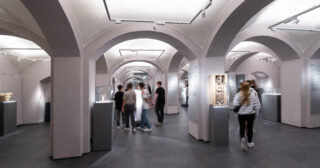
Within the permanent collection, "Modern times”, a special collection presents the history of the Evangelical Church. It shows the circumstances and consequences of Protestantism, beginning in the 16th century and how the Protestant movement relates to the history of the Palatinate. Besides portraits of the most important reformers, rare early documentss and typical liturgical devices, you will also find here current information on the transition of evangelical religious life right up to the present time. 

Martin Luther

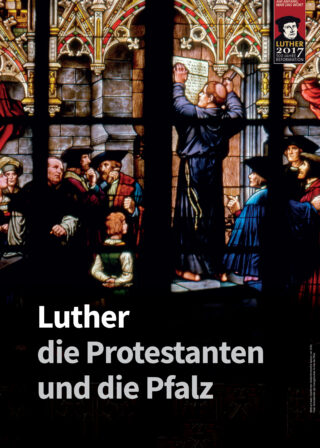
Martin Luther, the key figure of the Reformation, translated the Bible from the Greek (New Testament) and the Hebrew (Old Testament) into German. The discovery of printing had a decisive impact on the success of Luther’s theses. It was movable type that made it possible to produce multiple copies of manuscripts quickly and inexpensively with the result that new ideas spread much more quickly. The Bible was the first book that was no longer copied by hand but was printed with lead type. Flyers and news spread among the citizens in no time at all.

Lutheranes und Reformed Protestants

Besides Luther, other reformers had a big influence on discussions about the unity of the church.  The Reformed Protestant movement received a significant push from the Swiss reformers, Huldrych Zwingli and John Calvin. At audio stations in the exhibition, you can hear excerpts from sermons of both Martin Luther and John Calvin.


Bookmark

Mr.Wong Webnews Folkd Yigg Digg
del.icio.us Reddit Yahoo Google