









Royal Murders
With drawn sword in hand, Otto VIII of Wittelsbach slinks up to the king’s apartment. There is no opposition; no weapon blocks his path. Otto makes his move. Startled, the monarch ducks but the deadly blow strikes him hard on the neck. Sputtering, he falls to the floor. That is the end of Philipp, the youngest son of Emperor Frederick I Barbarossa.
This vindictive and bloody deed took place in Bamberg during the summer of 1208. Having ruled from 1198 to 1208, King Philipp I of Swabia was buried first in the Bamberg Cathedral but in 1213, his nephew, Frederick II had him exhumed and transferred to the Speyer Cathedral, where he found his final resting place in the imperial burial chamber. Motive for the assassination was probably vain resentfulness and a desire for revenge because Philipp had thwarted Otto’s marriage plans. The accomplices, von Bamberg and Henry of Istria from the house of Andechs-Meran, supported the king’s assassination, because the king had stood in the way of the expansion of their family’s spheres of influence.
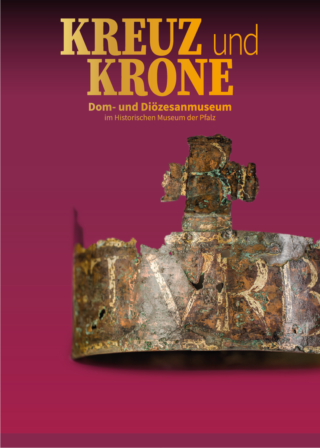
Eight hundred years have passed since the murder of Philipp of Swabia, 700 years since the death of King Albert I of Austria. The latter also has found his final resting place in the Speyer Cathedral. The Historical Museum of the Palatinate describes the backgrounds and circumstances of both men’s deaths. The presentation focusses on the objects that were found in the grave site of the kings: the lead coffin in which Philipp was laid to rest, his spurs, as well as his sumptuous Byzantine coat. Albert’s sword was also preserved. The legacies that these Middle Age rulers left to us in their imperial graves are among the most outstanding objects in the Museum’s collection. They are now highlights of the permanent exhibition of the Cathedral Treasure collection.


Go to top